
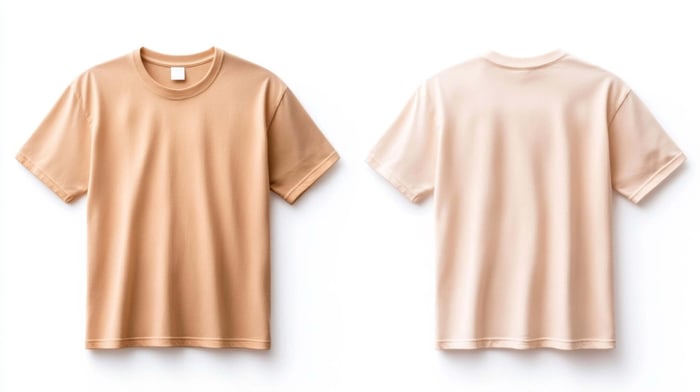
 Minimalist style made better with 100 natural fiber clothing.
Table of Contents
The future of fashion is woven from the earth itself. 100 natural fiber clothing is more than just a style choice — it’s a lifestyle rooted in sustainability, wellness, and mindful living. Unlike synthetic fabrics that rely on petroleum and chemicals, natural fibers like cotton, linen, hemp, and TENCEL™ Lyocell come straight from renewable sources. They breathe with you, move with you, and return gently to the planet when their time is up.
What makes natural fiber clothing so powerful isn’t just what it’s made of — it’s what it’s made without. Chemical-free clothing eliminates the microplastics and toxic finishes found in fast-fashion fabrics, helping you protect both your skin and the environment. For a generation that values clean design and conscious choices, natural fabric clothing is the ultimate blend of minimalism and meaning.
The Return to Nature in Modern Wardrobes
Fast fashion might dominate the mainstream, but Gen Z is rewriting the script. Today’s creators, students, and change-makers are choosing natural clothing for its authenticity — real textures, honest materials, and timeless silhouettes that don’t rely on trends.
When you wear natural fiber activewear, you’re tapping into something ancient: fibers that have clothed humans for centuries, now reimagined for modern minimalism. Cotton offers softness and breathability, hemp brings strength and durability, linen keeps you cool, and TENCEL™ Lyocell delivers silky comfort with moisture-regulating performance.
Each fabric tells a story — from seed to stitch — about balance, respect, and circular design. These pieces don’t scream; they whisper sophistication through texture, drape, and form. It’s fashion stripped down to its purest essence.
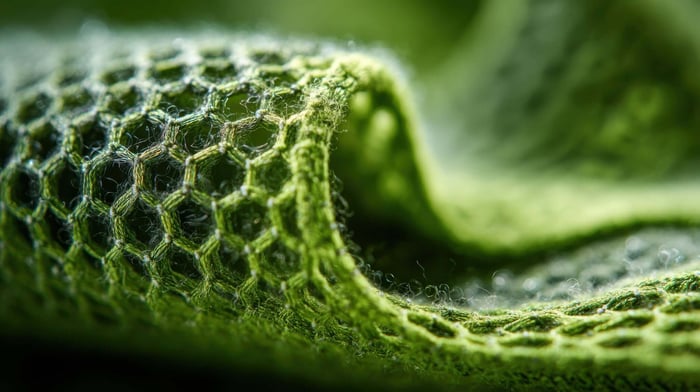 The texture behind 100 natural fiber clothing — simple, breathable, and natural.
Why Natural Fiber Clothing Matters
Synthetic fabrics like polyester and nylon may mimic softness, but they can’t compete with the breathability and biodegradability of 100 natural fiber clothing. Natural fabrics allow air to circulate, wick moisture naturally, and adapt to your body temperature — making them ideal for everything from morning commutes to weekend hikes.
And unlike synthetics, they don’t trap odors or release harmful microfibers when washed. Each wash cycle with natural fabrics becomes a gentle renewal — not a contribution to ocean pollution.
It’s the cleanest way to wear your values: choosing materials that support soil health, fair labor, and ethical production. From the field to your wardrobe, natural fiber clothing closes the loop on sustainability without compromising style.
Seasonal Styles with Natural Fiber Clothing
Spring: The Fresh Start
Spring is all about renewal, and nothing captures that better than lightweight, breathable natural fiber pieces. Think organic cotton tees, airy hemp joggers, and linen overshirts that move easily through those transitional months. These fabrics are naturally temperature-regulating — keeping you comfortable whether you’re layering for cool mornings or catching sunset light in the park.
To elevate your spring look, lean into muted earth tones and crisp whites — a palette that mirrors the season’s clean energy. Choose unbleached or plant-dyed options for an extra eco-friendly edge.
 Easy spring layers, made with 100 natural fiber clothing.
Summer: Stay Cool, Naturally
Summer heat and synthetic fabrics? Not a vibe. Natural fiber clothing outperforms synthetics when the temperature rises. Fabrics like organic cotton and linen wick moisture, dry quickly, and prevent that sticky, clingy feel. Meanwhile, TENCEL™ Lyocell offers buttery softness with next-level breathability — perfect for both streetwear fits and active days outdoors.
If you’re searching for natural fiber activewear, look for blends that pair comfort with motion. Linen-TENCEL or hemp-cotton mixes bring a soft yet structured fit that holds its shape while letting your skin breathe.
Pro tip: skip harsh chemical coatings marketed as “moisture-control.” True chemical-free clothing relies on the fibers themselves — not synthetic finishes — to keep you cool.
 Sun, movement, and 100 natural fiber clothing made for warm days.
Fall: Layered in Texture
As temperatures dip, 100 natural fiber clothing transitions beautifully into fall. Opt for heavier knits and brushed finishes — organic cotton fleece, hemp canvas, or wool-blend overshirts. These materials add structure and warmth without bulk.
Fall fashion is about texture — mixing soft and structured fabrics for depth. Combine a smooth Lyocell button-up with raw-edge hemp pants or an organic cotton hoodie for cozy minimalism.
Natural fabric clothing also absorbs dyes beautifully, giving you rich autumn hues like terracotta, olive, and deep charcoal — tones that feel organic, not artificial.
 Comfortable fall layers, made with 100 natural fiber clothing.
Winter: Warmth Without the Waste
Winter dressing doesn’t need to mean synthetic fleece and plastic-based insulation. Natural fiber clothing provides warmth that breathes — wool, organic cotton, and hemp blends trap heat while allowing airflow, reducing that “suffocating” feel common with synthetics.
For a minimalist winter capsule, look for heavyweight natural knits, undyed wools, and brushed hemp or Lyocell fleece. Each piece performs naturally, without petrochemical additives or plastic microfibers.
And because natural fibers are biodegradable and renewable, your cold-weather wardrobe becomes part of a regenerative fashion cycle — not a landfill’s future.
The Year-Round Benefit
Beyond seasonal trends, the real beauty of 100 natural fiber clothing is its adaptability. Each fiber performs differently across climates — linen cools, wool insulates, cotton comforts, and TENCEL™ balances them all.
That versatility means you can build a minimalist capsule wardrobe that’s timeless, durable, and planet-positive — pieces that layer, mix, and evolve without ever going out of style.
Wearing natural fabrics isn’t just a fashion statement. It’s a daily commitment to cleaner living, mindful consumption, and circular design. And in a world of fast fashion, that’s the boldest statement you can make.
Types of Natural Fibers Used
When it comes to 100 natural fiber clothing, not all fabrics are created equal. Each natural fiber brings its own story, texture, and purpose — from breezy linen for warm summer days to ultra-soft TENCEL™ Lyocell for year-round comfort. Understanding the differences helps you choose pieces that fit your lifestyle and values while keeping your wardrobe rooted in sustainability.
Organic Cotton: The Everyday Essential
Organic cotton is the backbone of many sustainable wardrobes — and for good reason. It’s breathable, soft, and naturally hypoallergenic, making it a go-to for daily essentials like tees, hoodies, and joggers. Unlike conventional cotton, organic cotton is grown without synthetic pesticides or fertilizers, preserving soil health and reducing water pollution.
It’s also a hero of chemical-free clothing, offering comfort that feels good on your skin and better for the planet. When you wear organic cotton, you’re not just dressing in fabric — you’re supporting cleaner ecosystems and fairer farming practices.
Linen: Lightweight and Timeless
Few fabrics embody effortless cool like linen. Derived from the flax plant, linen is one of the oldest and most sustainable fibers in the world. It requires minimal water and grows naturally in cooler climates — no pesticides needed. Its textured surface, breathability, and quick-drying properties make it perfect for summer layering or travel-friendly streetwear.
Over time, linen softens rather than breaks down, becoming more comfortable with every wear. That lived-in patina is part of its charm — a reminder that durability can still be stylish. For Gen Z minimalists who love clean silhouettes with personality, linen delivers that “done-without-trying” look naturally.
Hemp: The Planet’s Power Fabric
If sustainability had a superhero, it would be hemp. Often dubbed the “future of natural fiber clothing,” hemp grows fast, enriches the soil, and uses a fraction of the water required for cotton. It’s also naturally resistant to pests, meaning it thrives without synthetic chemicals.
Hemp fabric is strong, breathable, and biodegradable — making it ideal for everything from structured pants to durable everyday tees. It has a lived-in, slightly textured feel that only gets better with time. Brands like Harvest & Mill and Royal Robbins highlight hemp’s potential, but newer generations of streetwear designers are redefining it for modern minimalist aesthetics.
TENCEL™ Lyocell: The Modern Minimalist’s Choice
TENCEL™ Lyocell bridges the gap between luxury and responsibility. Made from sustainably sourced wood pulp (often eucalyptus), it’s produced in a closed-loop process that recycles over 99% of solvents — a benchmark in clean manufacturing. The result? A fabric that’s silky, breathable, and naturally moisture-regulating.
Perfect for natural fiber activewear and everyday basics alike, TENCEL™ Lyocell moves with your body and drapes effortlessly. It feels cooling in heat, warming in chill — a true year-round companion. Beyond its comfort, its production is one of the lowest-impact systems in modern textiles, making it a favorite for sustainable streetwear.
Wool: Nature’s Cold-Weather Armor
When temperatures drop, wool steps in as one of nature’s best insulators. It’s renewable, biodegradable, and naturally temperature-regulating — meaning it keeps you warm without overheating. Wool fibers can absorb moisture while remaining dry to the touch, making it a winter essential for coats, sweaters, and scarves.
Ethically sourced merino wool, in particular, offers a soft, itch-free experience that suits even sensitive skin. For conscious consumers, wool represents timeless style that lasts beyond fast fashion cycles. Choose undyed or recycled wool pieces to keep your wardrobe both warm and waste-free.
Blends: The Balance Between Performance and Purity
While purists prefer 100% natural fibers, blending can sometimes enhance durability and comfort. Many sustainable brands use small percentages of natural fiber blends — like hemp-cotton or Lyocell-linen — to balance softness, drape, and structure.
The key is transparency. Ethical brands disclose their fiber ratios and avoid synthetic microfibers. Look for blends that prioritize natural fabric clothing while maintaining biodegradability. It’s all about conscious composition — clothing that feels as good as it performs.
Sustainability in Fashion
At its core, 100 natural fiber clothing isn’t just about what we wear — it’s about how it’s made, how long it lasts, and what happens when we’re done with it. The fashion industry’s shift toward sustainability is driven by a new generation that values transparency, responsibility, and purpose. And natural fibers are leading the charge.
From Seed to Stitch: The Impact of Natural Fibers
Unlike synthetic fabrics made from petroleum, natural fibers begin in the soil — not a lab. Growing organic cotton, flax, or hemp restores land health, supports biodiversity, and reduces chemical runoff. The result is not just better clothing but a cleaner ecosystem.
According to leading sustainable brands like Toad&Co and Organic Basics, every piece made from natural fibers helps lower CO₂ emissions, conserve water, and minimize waste. The beauty of natural fiber clothing lies in its circularity — it’s born from the earth and designed to return to it.
Circular Design and Conscious Consumption
Sustainability doesn’t stop at materials — it continues through every decision in the fashion cycle. Circular design encourages consumers to buy less but better. Investing in durable natural clothing means fewer replacements, less waste, and deeper connection to what you own.
When a garment’s lifespan ends, natural fibers decompose within months instead of centuries — unlike synthetics that pollute landfills for generations. This is what makes natural fibers the backbone of a regenerative fashion future.
Low-Impact Dyes and Chemical-Free Clothing
Even the most sustainable fiber can lose its value if it’s coated in harmful chemicals. That’s why chemical-free clothing and plant-based dyes are essential in modern fashion. Brands like Mate the Label and Whimsy + Row have embraced non-toxic dyeing and water-saving processes to minimize environmental impact.
Natural dyes derived from plants, roots, and minerals add depth to color while maintaining a smaller footprint. It’s fashion that’s safe for your skin — and the planet’s waterways.
The Longevity Mindset: Quality Over Quantity
For Gen Z, sustainability isn’t just about consumption — it’s about connection. Owning fewer, better-made pieces aligns with the slow fashion philosophy that quality beats quantity. Natural fiber clothing’s durability means less turnover and more timeless wear.
A well-made linen shirt, a hemp tee, or a Lyocell hoodie can last years, not seasons. Each piece becomes part of your story — reshaping fashion from disposable to meaningful.
Beyond the Fabric: A Lifestyle Shift
Choosing 100 natural fiber clothing is part of a bigger shift — one that moves away from fast fashion’s chaos toward intentional living. It’s not about perfection but progression. Small choices, multiplied by millions, create massive change.
By supporting ethical brands, wearing chemical-free fabrics, and valuing transparency, we shape a future where sustainability isn’t a marketing buzzword — it’s the norm.
Where to Shop for Natural Fiber Clothing
In a world dominated by fast fashion and synthetic materials, finding truly 100 natural fiber clothing can feel like a challenge. But for conscious shoppers, it’s less about chasing trends and more about learning what to look for. The goal is to shop with intention — choosing brands, fabrics, and fits that align with your values and lifestyle.
1. Check the Fabric Label — Transparency Is Key
The first step to shopping smarter is knowing what’s actually in your clothes. Many garments marketed as “eco-friendly” still contain synthetic blends like polyester or spandex. True natural fiber clothing lists only plant- or animal-based materials such as cotton, linen, hemp, silk, wool, or TENCEL™ Lyocell.
If you see terms like “viscose” or “modal,” dig deeper. While some of these are semi-synthetic, others — like Lyocell — are made using sustainable, closed-loop processes. The difference lies in transparency. Look for clear fiber percentages and certifications that confirm responsible production.
Checking for tags that mention GOTS (Global Organic Textile Standard) or OEKO-TEX Standard 100 helps ensure the fabric is free from harmful chemicals — an essential part of chemical-free clothing.
2. Look for Ethical Sourcing and Local Production
Beyond materials, where and how your clothes are made matters just as much. Many fast-fashion brands outsource to factories with poor environmental oversight, even when using natural fabrics. True sustainability means knowing your clothing’s journey — from seed to stitch.
When possible, shop from local or small-batch makers who prioritize ethical manufacturing, fair wages, and minimal waste. Locally produced natural clothing often carries a smaller carbon footprint and better quality control. It also supports artisans and small businesses that value craft over quantity.
Bonus: smaller brands often use undyed or plant-dyed fabrics and biodegradable packaging — giving you a cleaner product from start to finish.
3. Choose Quality Over Quantity
The slow-fashion mindset isn’t about buying more — it’s about buying better. Investing in fewer, higher-quality natural fabric clothing pieces means they’ll last longer, age better, and cost less over time.
High-quality fibers like hemp, TENCEL™, and organic cotton retain their structure through repeated washes, while synthetics tend to pill and degrade. The best part? Natural fibers get softer, not weaker, with age.
Before you buy, feel the weight and texture of the fabric. A sturdy weave, clean stitching, and well-finished hems signal longevity — the true mark of sustainable fashion.
4. Shop Capsule Wardrobe Staples
Minimalism and sustainability go hand in hand. A capsule wardrobe made from 100 natural fiber clothing not only simplifies your mornings but reduces waste. Focus on timeless pieces that mix, match, and layer effortlessly across seasons:
- Organic cotton tees and tanks
- Hemp or linen trousers
- Lyocell button-ups
- Wool outerwear for winter
- Lightweight linen shirts for summer
The goal is longevity — clothing that adapts to your lifestyle rather than fleeting trends. With clean silhouettes, neutral colors, and high-quality fabrics, natural fibers create looks that feel effortless yet refined.
5. Buy From Certified Sustainable Brands
Certifications are your best friend in a market flooded with greenwashing. Trusted sustainability labels confirm that what you’re buying is genuinely eco-conscious — not just cleverly marketed. Look for:
- GOTS (Global Organic Textile Standard): ensures organic content and fair labor.
- OEKO-TEX Standard 100: verifies that fabrics are free of toxic chemicals.
- Fair Trade Certified: guarantees ethical working conditions.
- FSC Certified: applies to TENCEL™ and other wood-based fibers.
Brands that clearly display these certifications are more likely to offer true chemical-free clothing made with care for both people and the planet.
6. Prioritize Transparency and Traceability
A brand that hides its production process has something to hide. Today’s conscious shoppers expect transparency: where the fibers come from, how they’re dyed, and who makes the garments.
Many ethical brands now share behind-the-scenes details — from farmer partnerships to supply-chain maps — to show how natural fiber clothing comes to life responsibly. This openness builds trust and empowers you to make informed choices.
Transparency is the new luxury. The more a brand reveals about its process, the more confident you can feel about wearing its clothes.
7. Embrace Pre-Loved and Circular Fashion
Shopping sustainably doesn’t always mean buying new. Vintage and resale platforms offer a growing selection of natural clothing that’s still in great condition. Choosing pre-loved garments extends the life of existing fibers and prevents them from ending up in landfills.
Circular fashion — where clothes are repaired, reused, or repurposed — reduces demand for new production and conserves natural resources. It’s not just eco-friendly; it’s also a chance to discover unique, timeless pieces that reflect your individuality.
Conclusion: The Future Is Natural
The rise of 100 natural fiber clothing signals more than a fashion movement — it’s a cultural reset. As the next generation redefines style, sustainability, and purpose, natural fibers stand at the intersection of comfort, consciousness, and creativity.
Choosing natural fabrics means choosing yourself — your health, your planet, and your peace of mind. Each purchase becomes a statement: that luxury doesn’t have to harm, and minimalism doesn’t have to mean less impact.
Fashion’s future isn’t synthetic; it’s soulful. The shift to natural fiber activewear and everyday basics proves that performance and planet can coexist. With every organic cotton tee, linen pant, or Lyocell hoodie, you help rebuild a cleaner, fairer industry — one thread at a time.
Final Thought
The best style is the one that doesn’t cost the Earth. 100 natural fiber clothing proves that sustainability isn’t a sacrifice — it’s an evolution.
When you wear what’s real, you connect with something bigger: the planet, the people who made your clothes, and your own values. That’s fashion with purpose — and that’s what the next era of conscious living is all about.
FAQs
What does “100 natural fiber clothing” mean?
100 natural fiber clothing is made entirely from materials that come from nature — like organic cotton, hemp, linen, wool, or TENCEL™ Lyocell. These fibers are renewable, biodegradable, and chemical-free, offering breathable comfort without the plastic-based synthetics found in fast fashion.
Why is natural fiber clothing better than synthetic fabrics?
Natural fabrics allow your skin to breathe, regulate temperature, and resist odor naturally. Synthetic fibers like polyester trap heat and shed microplastics into the environment. Choosing natural fiber clothing supports both personal wellness and a cleaner planet.
Is natural fiber activewear good for workouts?
Yes — modern natural fiber activewear uses blends like TENCEL™ Lyocell and organic cotton that wick moisture, stretch comfortably, and stay breathable. They perform just as well as synthetics but without chemicals or plastic coatings.
How do I care for 100 natural fiber clothing?
Wash in cold water with a gentle, eco-friendly detergent and air-dry when possible. Avoid bleach or fabric softeners, which can damage organic fibers. With proper care, natural fabrics get softer and last longer over time.
Where can I find sustainable natural fiber clothing?
Look for transparent brands that disclose fiber content, use GOTS or OEKO-TEX certified materials, and avoid synthetic blends. Prioritize small-batch or local makers focused on ethical production, quality craftsmanship, and timeless minimalist design.