
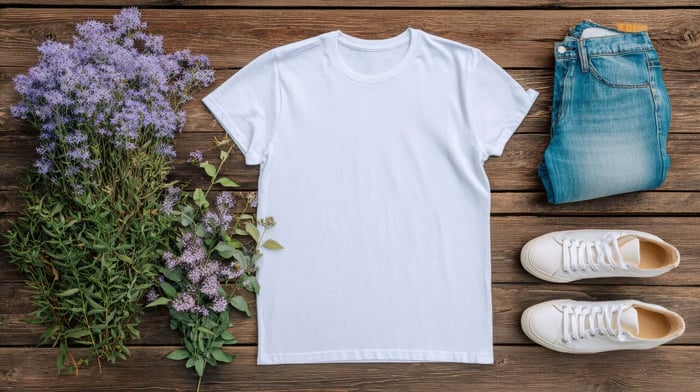
 Lyocell vs cotton — a minimalist showcase of two natural fabrics with comfort and sustainability in mind.
Table of Contents
- Understanding Lyocell: The Innovation Behind the Fabric
- Understanding Cotton: The Timeless Classic
- Lyocell Fabric vs Cotton Fabric: Comfort, Care, and Sustainability
- Practical Applications: Where Each Fabric Shines
- Consumer Considerations: Making the Right Fabric Choice
- Conclusion: Lyocell vs Cotton — The Future of Conscious Comfort
- FAQs
In a world where sustainability and comfort drive modern fashion, the conversation around lyocell vs cotton has never been more relevant. Both fabrics are known for their softness, versatility, and natural origins — yet they differ dramatically in how they’re produced, how they feel, and how they impact the planet. For a generation that values eco-conscious choices as much as personal style, understanding the difference between lyocell fabric vs cotton helps redefine what it means to wear responsibly.
Understanding Lyocell: The Innovation Behind the Fabric
When it comes to sustainable innovation in textiles, few materials rival Lyocell. Also known as TENCEL™ Lyocell, this next-gen fabric represents a leap forward in eco-friendly fiber production. Derived from sustainably sourced wood pulp — typically eucalyptus, birch, or oak — Lyocell is celebrated for its silky-smooth texture, exceptional breathability, and closed-loop manufacturing process that minimizes waste and chemical pollution.
A Brief History of Lyocell
Lyocell’s story begins in the 1980s, when scientists set out to create a fiber that combined the softness of cotton with the durability of synthetics — without the environmental downsides. The result was a semi-synthetic fabric made through a solvent-spinning process that recycles 99% of the solvent used. This innovation drastically reduces the ecological footprint compared to traditional viscose rayon or cotton cultivation.
Today, TENCEL™ Lyocell, developed by Lenzing AG, has become synonymous with sustainable luxury. Its applications range from performance wear and everyday basics to high-end bedding — proving that eco-friendly doesn’t mean compromising on feel or function.
 Lyocell vs cotton — it all begins with nature. Eucalyptus trees give Lyocell its soft, sustainable edge.
Lyocell Properties: What Makes It Different
Lyocell stands out not only for its sustainability but also for its exceptional performance and comfort. Here’s what sets it apart:
- Moisture-Wicking and Breathable: Lyocell naturally regulates temperature by absorbing moisture more efficiently than cotton. This makes it ideal for warm climates, workouts, or anyone who values breathable fabrics.
- Soft Yet Durable: Unlike traditional natural fibers that lose softness after washing, Lyocell retains its smooth, almost silky texture while remaining strong and resilient.
- Hypoallergenic and Gentle on Skin: Thanks to its natural origin and smooth fiber surface, Lyocell reduces irritation, making it a top choice for sensitive skin.
- Sustainable by Design: The closed-loop production system means almost no waste — water and solvents are recycled, and wood pulp comes from certified sustainable forests.
- Biodegradable and Compostable: At the end of its life, Lyocell naturally returns to the earth without leaving harmful microplastics.
 Lyocell vs cotton — a sustainable minimalist wardrobe built on natural comfort and conscious design.
How Lyocell Compares in the Lyocell vs Cotton Debate
When comparing TENCEL™ Lyocell vs cotton, the advantages become clear: Lyocell’s moisture-wicking and temperature-regulating abilities often outperform cotton, particularly in humid conditions. It also requires far less water and pesticides to produce. While cotton has been a staple for centuries, Lyocell represents the future — a fabric engineered for comfort and conscience.
Understanding Cotton: The Timeless Classic
Cotton is the OG of natural fibers — a material woven into the history of fashion for thousands of years. Known for its breathability, comfort, and versatility, cotton has dominated global textiles since ancient times. But in the age of climate awareness and sustainable innovation, the conversation around lyocell vs cotton has sparked a new perspective on this classic fiber.
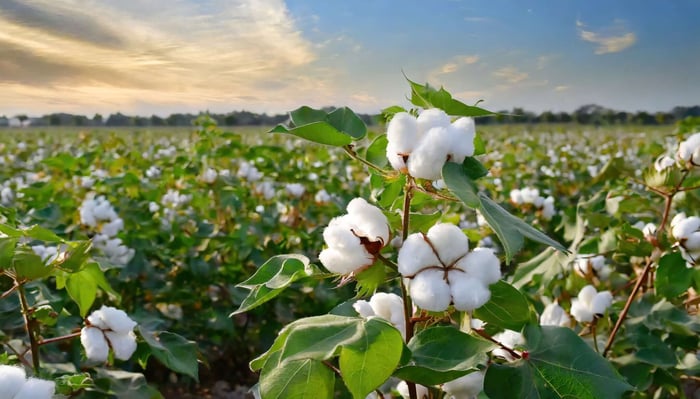 Lyocell vs cotton — exploring the beauty of natural fibers from the source.
The Cotton Journey: From Field to Fabric
Cotton comes from the fluffy fibers that surround the seeds of the cotton plant. Once harvested, the fibers are spun into yarn and woven into fabrics ranging from lightweight T-shirts to heavy denim. The result is a breathable, absorbent material that feels natural on the skin and has stood the test of time in every wardrobe and season.
However, traditional cotton production is resource-intensive. It requires significant water and often involves chemical fertilizers and pesticides. The environmental impact has driven many brands and consumers to seek alternatives like Lyocell fabric vs cotton, where innovation meets responsibility.
Cotton Properties: Why We Still Love It
Despite its environmental drawbacks, cotton continues to thrive thanks to its unmatched comfort and familiarity. Here’s why it remains a wardrobe essential:
- Soft and Comfortable: Cotton is naturally soft and breathable, making it ideal for everyday wear.
- Highly Absorbent: It can hold up to 27 times its weight in water, offering coolness in hot weather.
- Versatile: From basic tees to premium denim and luxury bedding, cotton adapts to countless uses.
- Natural and Renewable: Cotton is a plant-based fiber that biodegrades — a clear advantage over synthetic fabrics.
- Durability When Blended: Often blended with polyester or elastane, cotton can gain stretch and shape retention.
Where Cotton Falls Short in the Lyocell vs Cotton Comparison
The biggest challenge for cotton lies in its environmental cost. Traditional cotton farming can consume over 2,700 liters of water just to produce one T-shirt. Pesticides used in conventional cotton farming harm ecosystems and soil health. Organic cotton addresses some of these issues, but its production remains more resource-heavy than Lyocell’s closed-loop system.
In contrast, Lyocell uses up to 80% less water and no toxic chemicals, making it a more sustainable choice for the eco-conscious generation. So while cotton may still reign as a classic, Lyocell represents where the future of fashion is headed — toward low-impact, high-performance fabrics.
Lyocell Fabric vs Cotton Fabric: Comfort, Care, and Sustainability
At first touch, both fabrics feel soft and breathable, but when you look deeper, the differences between lyocell fabric vs cotton become more apparent. Lyocell offers a sleek, silky drape with a luxurious hand-feel, while cotton feels familiar, cozy, and slightly more structured. Each has its strengths depending on what you value — whether it’s moisture control, longevity, or sustainability.
Comfort and Feel
In terms of comfort, Lyocell wins for its ability to stay cool and smooth against the skin. The fibers are incredibly fine, creating a soft surface that naturally wicks moisture. Cotton, while also breathable, tends to hold more heat and moisture, which can lead to dampness during workouts or humid days. For anyone living an active, on-the-go lifestyle, Lyocell’s moisture-wicking edge makes it a standout choice.
Care and Maintenance
Caring for Lyocell vs cotton also brings a few key distinctions. Lyocell is wrinkle-resistant and retains its smooth finish even after multiple washes. Cotton, however, can shrink or lose its crispness over time, especially if it isn’t pre-shrunk. The upside to both is that they’re natural fibers — meaning they age beautifully, soften with wear, and are easy to maintain with the right care.
 Lyocell vs cotton — effortless care meets minimalist living in every wash and wear.
Sustainability and Environmental Impact
The biggest difference in the lyocell vs cotton debate often comes down to sustainability. Lyocell is produced in a closed-loop system that recaptures and reuses 99% of the solvents, drastically reducing water waste and chemical runoff. Cotton, particularly conventional cotton, requires massive amounts of water — sometimes thousands of liters just to make a single T-shirt. Organic cotton offers a better alternative, but Lyocell’s eco-efficiency is hard to beat.
When comparing lyocell fabric vs cotton, Lyocell’s advantage lies in how it balances nature and innovation — sustainable production without sacrificing performance.
Practical Applications: Where Each Fabric Shines
Whether you’re curating a minimalist capsule wardrobe or building a sustainable streetwear collection, understanding where each fabric excels helps make better choices. Both Lyocell and cotton have their ideal use cases depending on climate, activity, and desired style. Let’s break it down.
Everyday Wear and Streetwear
In everyday fashion, both fabrics dominate but in different ways. Cotton remains a go-to for essentials like T-shirts, hoodies, and denim thanks to its natural breathability and familiar feel. Lyocell, however, adds a more refined aesthetic — it drapes better, resists wrinkles, and feels cooler against the skin. In minimalist streetwear, where the goal is effortless sophistication, Lyocell provides a modern edge.
Activewear and Performance Clothing
For activewear, Lyocell is increasingly favored for its moisture control and silky touch. Unlike cotton, which absorbs sweat and takes longer to dry, Lyocell actively pulls moisture away, keeping you fresh longer. Brands exploring sustainable performance fabrics are turning to TENCEL™ Lyocell for this reason — it’s naturally breathable and performs well even under pressure.
Bedding, Loungewear, and Home Textiles
In home goods, Lyocell vs cotton has become a major question for those seeking sustainable comfort. Lyocell sheets have a silky, cool-to-the-touch finish that feels luxurious year-round. Cotton sheets, especially those made with organic fibers, are breathable and crisp but can trap more heat. Ultimately, both bring unique comfort experiences — Lyocell for sleek, modern minimalism and cotton for classic coziness.
Consumer Considerations: Making the Right Fabric Choice
For Gen Z and Millennials, buying decisions are no longer just about style — they’re about story. Understanding how Lyocell vs cotton fits into your life means weighing factors like comfort, ethics, maintenance, and long-term value. Here’s what to consider before choosing your next go-to piece.
Sustainability vs Familiarity
Cotton carries centuries of familiarity — it’s the fabric most of us grew up wearing. It’s reliable, accessible, and universally used. Lyocell, on the other hand, represents innovation — a new generation of fabric that embodies modern sustainability and advanced textile technology. While cotton provides nostalgic comfort, Lyocell speaks to a future-focused mindset that values circularity and environmental responsibility.
Cost and Accessibility
One of the most practical considerations in the lyocell vs cotton debate is cost. Cotton is widely produced, making it more affordable and accessible worldwide. Lyocell, however, often comes at a slightly higher price point — a reflection of its eco-conscious production and premium feel. For consumers seeking longevity and sustainable value, that higher upfront cost pays off in durability and reduced environmental impact.
Longevity and Performance
Performance is another key factor when evaluating lyocell fabric vs cotton. Lyocell’s structure allows it to maintain shape, resist wrinkles, and stay smooth after multiple washes — ideal for a minimalist wardrobe where fewer, better pieces matter. Cotton, though naturally breathable, can fade or shrink over time if not properly cared for. For long-term wear, Lyocell’s stability and resilience make it the stronger choice.
Skin Sensitivity and Comfort
For those with sensitive skin, Lyocell often feels like a dream. Its hypoallergenic properties and ultra-smooth fiber surface minimize irritation and wick away moisture. Cotton remains soft and breathable but can trap heat and bacteria if worn in humid conditions. In this sense, Lyocell’s superior temperature regulation makes it the more adaptive option.
Ethical and Environmental Transparency
Transparency is shaping the way Gen Z shops. Knowing how and where your clothing is made is now just as important as how it looks. Lyocell, especially from certified sources like TENCEL™, offers clear traceability from forest to fabric, thanks to sustainable forestry practices and closed-loop production. Cotton’s transparency varies — organic and Fair Trade cotton are major steps forward, but conventional cotton supply chains often lack accountability. In a conscious consumer era, Lyocell’s eco-certifications help earn trust and confidence.
Conclusion: Lyocell vs Cotton — The Future of Conscious Comfort
Ultimately, there’s no single winner in the lyocell vs cotton debate — only the choice that aligns best with your values and lifestyle. Cotton remains timeless and widely loved, offering everyday reliability and comfort. Lyocell, meanwhile, represents the evolution of sustainable fashion — a modern material that fuses luxury, performance, and eco-conscious production into one fabric.
For the next generation of consumers who care about both comfort and conscience, the future of fabric lies in balance — embracing innovation like Lyocell while respecting the heritage of natural fibers like cotton. Together, they shape a more mindful and minimalist approach to what we wear, and why it matters.
FAQs
What is the main difference between Lyocell and Cotton?
Lyocell is made from sustainably sourced wood pulp in a closed-loop process, while cotton comes from the cotton plant. Lyocell is more eco-friendly, uses less water, and feels smoother on the skin compared to traditional cotton.
Is Lyocell more breathable than Cotton?
Yes — Lyocell is highly breathable and moisture-wicking, making it ideal for warm climates and active lifestyles. Cotton is breathable too but tends to retain more moisture, which can make it feel heavier in humid conditions.
Is TENCEL™ Lyocell better for the environment than Cotton?
TENCEL™ Lyocell is generally more sustainable because it’s produced in a closed-loop system that recycles 99% of water and solvents. Conventional cotton farming, in contrast, often uses large amounts of water and pesticides.
Does Lyocell shrink or wrinkle like Cotton?
Lyocell is naturally wrinkle-resistant and maintains its shape after washing, while cotton can shrink or wrinkle more easily if not pre-treated or cared for properly. Lyocell’s smooth fiber structure helps it stay sleek over time.
Which fabric is better for sensitive skin — Lyocell or Cotton?
Both are gentle on the skin, but Lyocell is especially suited for sensitive skin due to its hypoallergenic properties and smooth texture. It’s less likely to cause irritation and helps regulate body temperature naturally.