
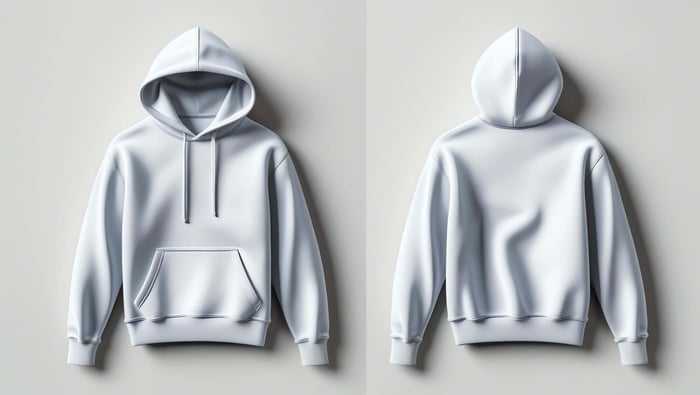
 Minimalist flat lay highlighting how small clothing brands use eco-friendly materials and timeless design to create sustainable fashion.
Table of Contents
- Introduction to Small Fashion Brands
- Trendy Independent Fashion Labels (Brand 1 and 2)
- Limited Edition Clothing Offerings (Brand 3 and 4)
- Evolving Style Narratives (Brand 5 and 6)
- The Role of Sustainability in Small Clothing Businesses
- Conclusion: The Future of Fashion Is Small, Sustainable, and Strong
- FAQs
Introduction to Small Fashion Brands
The rise of small clothing brands has changed how we think about fashion. In a world dominated by fast-fashion giants, small business clothing brands are carving their own lane—crafting slow, intentional pieces that speak louder than trends. From limited-edition hoodies to sustainably sourced fabrics, these independent fashion labels are rewriting the rules of modern style.
EcoBear Wear embodies this shift. For us, clothing isn’t just something you wear—it’s a daily statement of what you believe in: conscious design, ethical manufacturing, and minimalist energy that feels effortlessly cool.
Gen Z shoppers aren’t just buying clothes anymore—they’re buying values. They’re supporting real people, real craftsmanship, and real impact. And that’s exactly where small brands shine: they’re more transparent, more creative, and more connected to community than any fast-fashion algorithm could ever be.
Why Small Brands Matter More Than Ever
Fashion isn’t about endless new arrivals anymore—it’s about meaning. When you buy from small business clothing brands, you invest in creativity over conformity. These labels prioritize quality fabrics, ethical production, and storytelling. Whether it’s a limited-edition clothing drop or a handcrafted streetwear capsule, you’re not just adding to your closet—you’re joining a movement.
Unlike mainstream retailers chasing virality, independent brands slow things down. They release collections in small runs, ensuring every piece feels special. This limited approach not only reduces waste but also creates deeper emotional value—something mass-produced items can’t replicate.
EcoBear Wear, for example, keeps each drop intentionally minimal. Every hoodie, pant, or tee we release is made in small batches using eco-friendly materials like TENCEL™ Lyocell. The goal? To create clothing that lasts longer, feels softer, and aligns with your lifestyle—not just your feed.
 Everyday style in motion — small clothing brands creating sustainable, wearable pieces designed for real life.
Trendy Independent Fashion Labels (Brand 1 and 2)
When you think of “small clothing brands,” you might imagine niche aesthetics or local boutiques—but the new generation of independent fashion labels is global, inclusive, and redefining what cool looks like. These are the creators bringing personality, sustainability, and culture together in every stitch.
Brand 1: Atelier Aurora — The Art of Slow Luxury
Atelier Aurora represents everything small fashion should be—quiet luxury with a conscience. Founded by a designer tired of mass-market waste, Aurora’s collections use natural fibers like organic cotton and TENCEL™ blends to create silhouettes that flow with your body and breathe with your skin.
Each release is a limited-edition clothing capsule—never restocked, always intentional. Think fluid tailoring, tonal color palettes, and attention to texture that makes even a basic tee feel bespoke.
Their studio’s motto, “own less, love more,” captures the minimalist heart of modern style. In a world overflowing with options, small business clothing brands like Atelier Aurora remind us that elegance thrives in simplicity.
Brand 2: Nova Ground — Streetwear with a Sustainable Edge
Nova Ground is proof that independent fashion labels can go toe-to-toe with streetwear heavyweights—without losing their soul. Every hoodie, jogger, and cropped tee is designed for the modern minimalist who wants performance, comfort, and conscience in one outfit.
Their drops are small and fast-selling, made from recycled cotton blends and low-impact dyes. What sets them apart? They integrate small business clothing brand values into every touchpoint—local production, biodegradable packaging, and digital transparency that shows exactly where each piece comes from.
Gen Z audiences connect with Nova Ground’s honesty. There’s no overproduction, no fake scarcity—just authentic craftsmanship and genuine care. That’s what makes their limited-edition clothing truly covetable.
Limited Edition Clothing Offerings (Brand 3 and 4)
The allure of small clothing brands often lies in their exclusivity. Unlike large-scale retailers, small business clothing brands thrive on the art of limited edition clothing—capsules that feel rare, personal, and purpose-driven. Each drop isn’t just about fashion—it’s about storytelling through craftsmanship, sustainability, and creativity. These collections are a reflection of time, intention, and a slower approach to consumption.
In a landscape dominated by mass production, limited edition releases by independent fashion labels redefine what it means to ‘own’ something. Every hoodie, pant, or outerwear piece represents individuality and mindfulness—a shift toward fashion that values meaning over quantity.
Brand 3: Solara Studio — Where Craft Meets Conscious Cool
Solara Studio exemplifies how small clothing brands can merge high-end design with mindful ethics. Based in a sunlit studio that sources deadstock fabrics, Solara’s pieces fuse clean lines, earthy hues, and breathable materials for effortless wearability. Their signature approach lies in reworking surplus textiles into elevated basics, proving that sustainability and luxury can coexist.
Each Solara drop is crafted in micro-runs of under 100 pieces—true limited edition clothing that emphasizes individuality and longevity. It’s not just about exclusivity; it’s about reducing waste and creating timeless silhouettes that feel as good as they look. This approach resonates with Gen Z’s craving for authenticity and transparency—values that fast fashion continues to overlook.
Brand 4: Ember & Loom — The Beauty of Imperfection
At Ember & Loom, craftsmanship comes first. Each garment is handmade by local artisans using slow-dye and hand-stitching techniques that celebrate imperfection as beauty. The result? Collections that feel deeply human—textured, unique, and emotionally resonant.
Their aesthetic—structured yet fluid—speaks to the new generation of wearers who want pieces with personality. Every hoodie, jacket, and pant carries slight variations, ensuring no two items are ever identical. This makes Ember & Loom one of the most authentic small business clothing brands redefining personal style.
Through limited edition clothing, Ember & Loom bridges tradition and innovation, offering slow-made garments that tell a story. From natural dyes to biodegradable buttons, their attention to detail mirrors the growing demand for intentional consumption.
Evolving Style Narratives (Brand 5 and 6)
What sets today’s small clothing brands apart isn’t just their production scale—it’s their perspective. Independent fashion labels are reshaping the narrative of what fashion represents, weaving values like identity, culture, and community into every thread.
As fashion evolves into a language of self-expression, Gen Z shoppers look for pieces that align with their worldview—empowerment, inclusivity, and sustainability. The next wave of small business clothing brands takes this beyond design, offering garments that feel like extensions of personal values.
Brand 5: Haven Theory — Building Emotional Connection Through Design
Haven Theory’s approach to fashion feels intimate, almost therapeutic. Their slow-crafted collections draw inspiration from emotional wellness and the concept of ‘home.’ Every piece is created to evoke comfort, grounding, and nostalgia—making it more than just clothing.
Their signature pieces, like the ‘Grounded Hoodie’ and ‘Stillness Pant,’ are crafted in small batches using organic and regenerated fibers. This is limited edition clothing that blends emotional intelligence with ethical design, inviting wearers to reconnect with themselves through what they wear.
By integrating mindfulness into the creative process, Haven Theory shows how small clothing brands can turn fashion into self-care—a concept deeply resonant with Gen Z’s holistic lifestyle values.
Brand 6: Framework Atelier — Redefining Genderless Streetwear
Framework Atelier is at the forefront of small clothing brands reimagining what genderless streetwear can look like. Their pieces break down the binary of traditional design, creating clean, structured silhouettes that adapt to every body type and identity.
Each Framework piece is designed as part of a modular wardrobe—interchangeable elements that can be layered, customized, and reimagined. The brand’s limited edition clothing drops focus on sustainable innovation, incorporating organic hemp blends and plant-based dyes.
Framework Atelier’s minimalist aesthetic and ethical mindset resonate with urban creatives who crave individuality without waste. By pushing boundaries in material use and fit inclusivity, they’ve become a defining force among independent fashion labels championing diversity.
The Role of Sustainability in Small Clothing Businesses
Sustainability has become the heartbeat of small clothing brands. While fast fashion continues to mass-produce trends at the cost of the planet, small business clothing brands are leading a quiet revolution—one built on transparency, ethics, and environmental responsibility. They’re redefining what it means to be stylish by aligning fashion with conscious living.
For Gen Z consumers, sustainability isn’t a buzzword—it’s a baseline expectation. Independent fashion labels are stepping up with practices that minimize waste, prioritize renewable materials, and champion circular design. By creating limited edition clothing collections, these brands ensure mindful production, encourage longevity, and promote a deeper connection between consumers and their wardrobe.
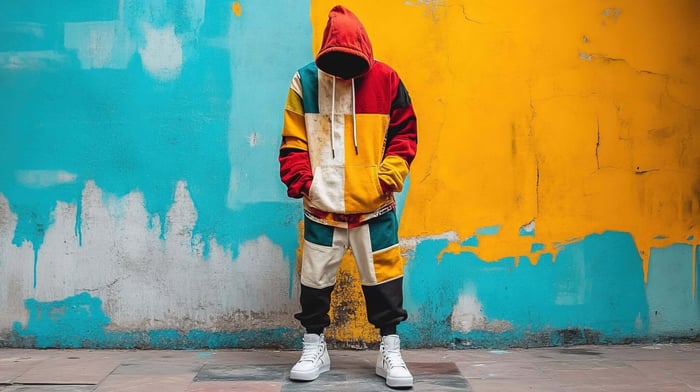 Eco-friendly streetwear from small clothing brands redefining modern style with sustainability at the core.
Eco Materials and Mindful Production
What sets small clothing brands apart is their attention to materials. Instead of synthetic, petroleum-based fibers, they often use natural and regenerated alternatives like TENCEL™ Lyocell, hemp, and organic cotton. These fabrics not only feel better on the skin but also have a significantly lower environmental footprint.
Many small business clothing brands embrace slow fashion principles by producing locally and in smaller batches. This approach reduces emissions, supports local artisans, and ensures fair labor conditions—something that’s increasingly resonating with Gen Z’s values-driven mindset.
At EcoBear Wear, sustainability starts at the fiber level. Each hoodie, tee, and jogger is crafted using TENCEL™ Lyocell—an eco-conscious fabric made from sustainably harvested wood pulp. By choosing durable, low-impact materials, we ensure that every piece reflects both premium quality and ethical design.
 A closer look at TENCEL — a sustainable fabric choice powering the future of small clothing brands.
Ethical Manufacturing and Circularity
Ethics play a major role in how independent fashion labels operate. From fair wages to safe working environments, these small clothing brands challenge the exploitative practices that still exist in global fashion supply chains.
Many are now exploring circular systems—like repair programs, take-back initiatives, and upcycling—to extend the lifespan of their products. This mindset transforms consumption into collaboration, inviting customers to be part of the sustainability journey rather than just spectators.
For example, some limited edition clothing brands create capsule collections made entirely from leftover textiles, reducing waste while adding individuality to each item. These small-scale initiatives have a large impact when multiplied across thousands of conscious consumers.
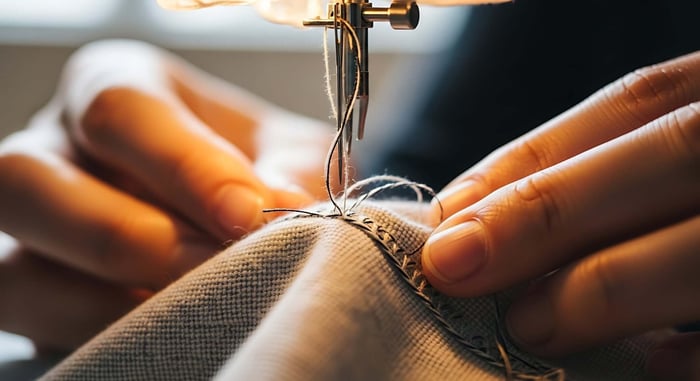 Behind the scenes, small clothing brands focus on quality, repair, and longevity to reduce fashion waste.
The Gen Z Impact on Sustainable Fashion
Gen Z isn’t just influencing fashion—they’re transforming it. This generation demands accountability from the brands they buy from, making sustainability a core part of their identity. They prefer small business clothing brands that align with their ethics and aesthetics, proving that conscious fashion doesn’t have to sacrifice style.
Platforms like TikTok and Instagram have amplified the rise of small clothing brands, where authenticity outshines advertising. Gen Z shoppers are vocal about supporting independent fashion labels that prioritize transparency and purpose over profit.
At EcoBear Wear, this shared ethos fuels everything we create. We believe that true sustainability means merging timeless design with long-term impact—pieces made to last beyond seasons and trends.
Conclusion: The Future of Fashion Is Small, Sustainable, and Strong
The story of small clothing brands isn’t just about style—it’s about substance. These small business clothing brands are redefining fashion’s future by weaving sustainability, ethics, and individuality into every stitch. Their limited edition clothing drops encourage conscious consumption and celebrate creativity at its most authentic.
Independent fashion labels remind us that every purchase is a vote—for the planet, for fairness, and for a more intentional lifestyle. In an era of fast everything, small brands stand for what’s slow, deliberate, and meaningful. And that’s exactly where true style begins.
EcoBear Wear carries this belief forward—designing minimalist, sustainable streetwear that proves less really is more. Because the future of fashion isn’t about quantity—it’s about quality, consciousness, and connection.
FAQs
What defines a small clothing brand?
Small clothing brands are independent labels that produce limited runs of high-quality, ethically made apparel. They prioritize sustainability, transparency, and creativity over mass production.
Why are small business clothing brands becoming more popular?
Consumers—especially Gen Z—are shifting toward authenticity and purpose. Small business clothing brands offer meaningful design, eco-friendly materials, and limited edition collections that feel personal and exclusive.
Are small clothing brands more sustainable than fast fashion?
Yes. Independent fashion labels often source natural or recycled fabrics, manufacture locally in small batches, and minimize waste, making them far more sustainable than traditional fast-fashion retailers.
What is limited edition clothing and why does it matter?
Limited edition clothing refers to small, one-time production runs. This approach reduces overstock and waste while creating collectible, thoughtfully crafted pieces that encourage mindful consumption.
How can I support independent fashion labels like EcoBear Wear?
Shop directly from their websites, share their stories on social media, and invest in timeless pieces made with sustainable materials. Supporting small clothing brands helps grow a more ethical, planet-positive fashion industry.